Buy your weekday smoothies and get your weekend ones for free. (7 for the price of 5!)
WELLNESSWEEK
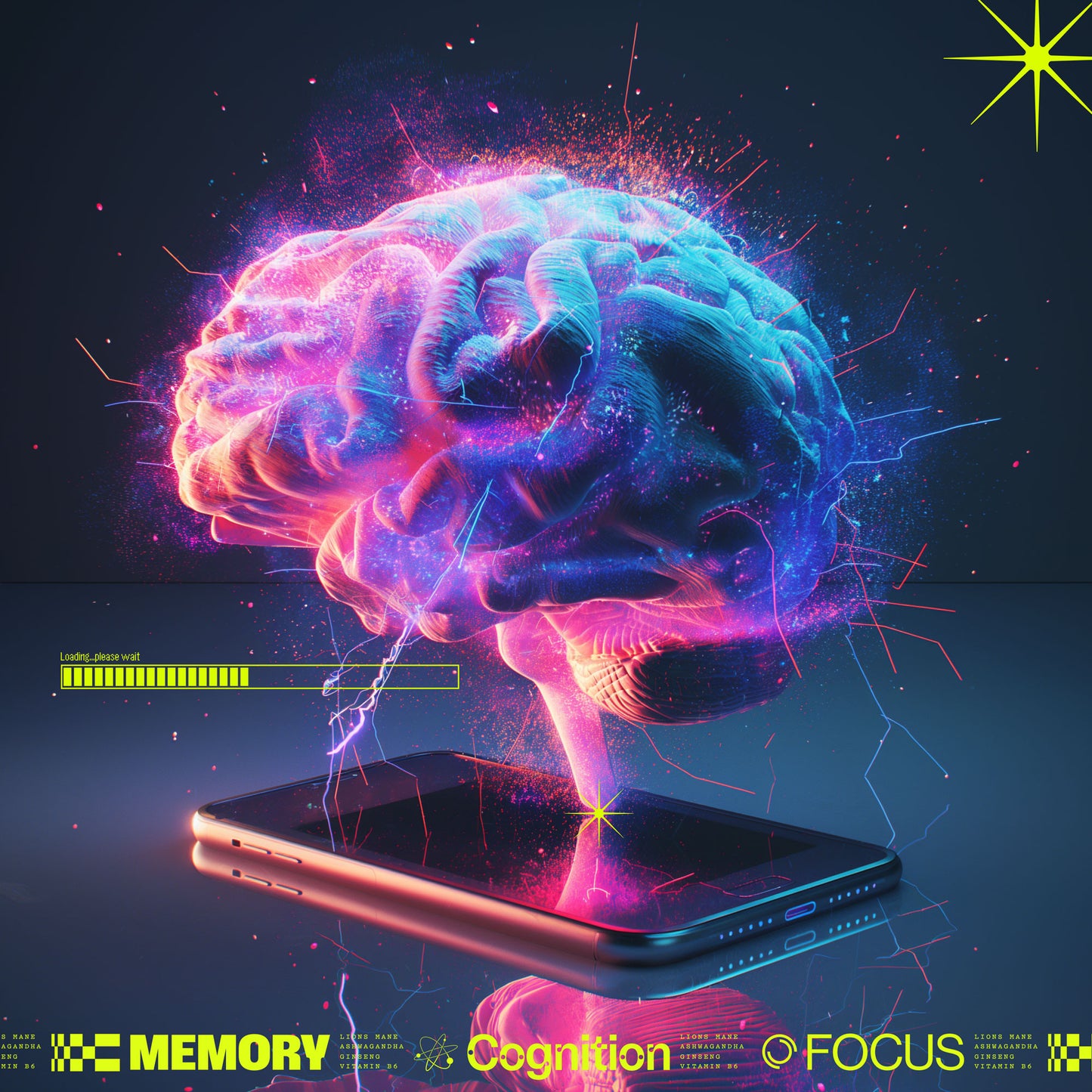
If you've been scrolling wellness shelves lately, you've probably noticed something: the energy drink aisle has a new neighbor. Nootropic drinks — functional beverages made with brain-supporting ingredients like Lion's Mane, Ashwagandha, and Ginseng — are quietly taking over the conversation. And for good reason.
But what actually is a nootropic drink? What should you look for in one? And how does Brainroot fit into the picture? Let's get into it.
Nootropics are compounds studied for their potential to support focus, mental clarity, and cognitive function. The word comes from the Greek noos (mind) and tropein (to bend or turn) — so, roughly: things that work with your mind.
They're not new. Ginseng has been used in traditional Chinese medicine for thousands of years. Ashwagandha is a cornerstone of Ayurvedic practice. Lion's Mane mushroom has been consumed across East Asia for centuries. What is new is putting them in a can and making them taste good.
Nootropics typically fall into a few categories:
None of these are magic. But a growing body of research suggests they're worth taking seriously — especially if you're looking for a caffeine-free way to support mental clarity through the day.
Here's something worth knowing. Caffeine doesn't technically give you energy — it blocks adenosine, the chemical that signals tiredness. When the block wears off, adenosine floods back. That's the crash.
Nootropic sparkling water like Brainroot works differently. Rather than stimulating your nervous system or masking tiredness, the ingredients are formulated to support your brain's natural function — mental clarity, focus, a balanced stress response — without the spike, jitter, or crash.
That's why Brainroot was built for what we call slump time — that window around 2-3PM when another coffee isn't the answer, but you still need your brain to work. Too late for coffee, too early for tequila. Brainroot fills the gap.
The functional beverage category has grown fast and there's genuinely a lot of interesting work being done in it. Brands like Recess and Kin Euphorics have done well building around calm, mood support, and social occasions — and if that's what you're after, they're worth exploring. But most nootropic drinks on the market today are formulated around the wind-down moment: stress relief, alcohol alternatives, social energy.
Brainroot was built for the opposite. It's formulated specifically for the focus moment — the workday, the creative session, the 3PM wall — with a stack of science-supported ingredients chosen for cognitive clarity and sustained mental performance, not just relaxation.
Here's what's inside every can:
Lion's Mane — studied for its role in supporting Nerve Growth Factor (NGF) and healthy brain cell communication. Unlike adaptogens that primarily target stress response, Lion's Mane is specifically researched for its potential to support the brain's own maintenance and growth processes.
Four flavours: Life Lime, Lemon+Aid, Berry Brain, and Magnesium Sparkling Water. One formula per flavour — no confusion about what you're getting or why. And at $3.50 a can, it's built to be a daily habit, not an occasional luxury.
The nootropic drink category is growing fast because people are waking up to the idea that what you drink during your workday actually matters. Caffeine-free focus drinks, adaptogen sparkling waters, and brain-supporting beverages are no longer a novelty — they're becoming standard.
Brainroot is built specifically for the focus and creativity needs of your workday, with a science-supported ingredient stack, four clean flavours, zero sugar, zero caffeine, and a price point that makes it a real daily option.
Your brain is the CEO of you. Fuel it accordingly.